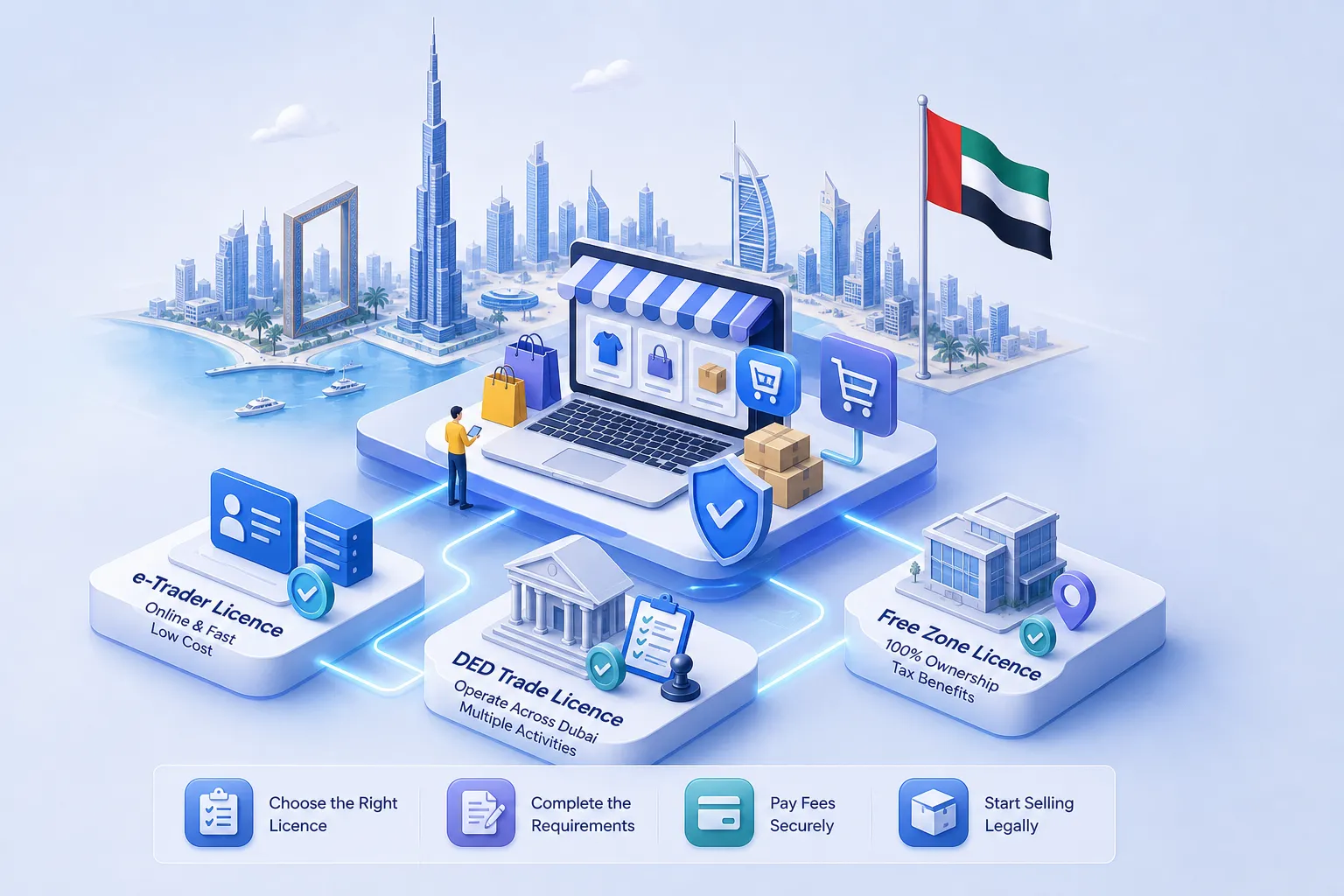
Dubai free zones have earned a global reputation for offering one of the most business-friendly environments on the planet. Whether you are a solo entrepreneur, a regional SME, or a multinational looking to establish a UAE hub, a free zone company delivers real advantages: 100% foreign ownership, full profit repatriation, streamlined bureaucracy, and zero corporate income tax on qualifying income.
What Is a UAE Free Zone?
A free zone is a specially designated economic area governed by its own Free Zone Authority (FZA), operating semi-independently from the UAE mainland Department of Economic Development (DED). Free zones were created to attract foreign investment, and they deliver on that promise with simplified company formation, modern infrastructure, and dedicated business support services.
The UAE has over 50 free zones, from the globally recognised Dubai Multi Commodities Centre (DMCC) and the International Free Zone Authority (IFZA) to niche zones focused on media, healthcare, education, and technology.
Key Benefits of a Free Zone Company
- 100% foreign ownership — no UAE national sponsor or partner required
- 0% personal income tax on all income
- 0% corporate tax on qualifying free zone income under the UAE Corporate Tax Law
- Full repatriation of profits and capital with no restrictions
- No customs duty on goods imported into and exported from the free zone
- Fast incorporation — many zones issue licenses within 24 to 72 hours
- Flexible office solutions — flexi-desks, co-working spaces, serviced offices, and warehouses
Step-by-Step Free Zone Company Setup Process
Step 1: Choose the Right Free Zone
Not all free zones are equal. The best zone depends on your business activity, budget, visa requirements, and office needs. DMCC is ideal for commodities and trading; DIFC for financial services; IFZA for general trading and consulting at a competitive cost; Dubai Airport Free Zone (DAFZ) for logistics and aviation-related businesses.
Step 2: Select Your Business Activity
Each free zone has a list of approved business activities. You can typically select up to three activities per license. Categories include trading, consulting, professional services, industrial, and e-commerce.
Step 3: Reserve Your Company Name
Company names must comply with UAE naming conventions. Prepare three alternatives in case your first choice is unavailable.
Step 4: Prepare and Submit Documentation
Standard requirements include passport copies of all shareholders, completed application forms, Memorandum and Articles of Association, proof of address, and bank statements. Corporate shareholders need additional company documents.
Step 5: Obtain Your Trade License
Once the FZA approves your application and documents, your trade license is issued — your legal authorisation to operate your chosen business activities within the free zone.
Step 6: Lease Office Space
Most free zones require a minimum office arrangement — flexi-desk, shared space, or dedicated office. The lease agreement forms part of your registration and visa allocation.
Step 7: Open a Corporate Bank Account
With your trade license in hand, you can apply for a UAE corporate bank account. Having an experienced consultant facilitate introductions with the right bank can significantly speed up this process.
Step 8: Apply for Residency Visas
Your free zone license entitles you to a visa quota. Shareholders, employees, and dependents can apply for UAE residency visas through your Free Zone Authority.
How Much Does Free Zone Setup Cost?
Setup costs vary widely — from around AED 5,750 for basic flexi-desk packages at budget-friendly zones like IFZA or SHAMS, up to AED 50,000 and above for premium offices at established zones like DMCC or DIFC. Always factor in annual license renewal, visa costs, and office rental beyond year one.